

The Modern Appreciation of Street Art and Its Impact
Street art, once seen as mere vandalism, has transformed into a celebrated form of creative expression that resonates with urban landscapes. This transformation has not only altered how people perceive public spaces but also elevated the status of cities on the global artistic map.
One of the most profound shifts in the artistic world is how street art is increasingly being recognized for its ability to engage the public directly. Unlike traditional art that may reside behind the walls of galleries or museums, street art is freely accessible and democratic, speaking to the community’s pulse. Its transient nature adds to its allure, urging city dwellers to pause and reflect as they encounter these unexpected masterpieces during their daily routines.
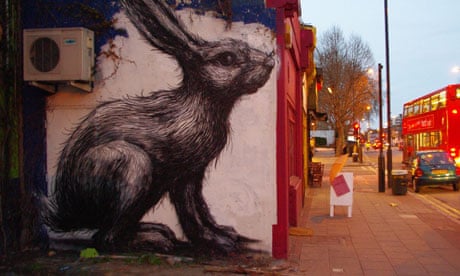
An excellent example of how street art can redefine cultural spaces is the work found on Rabbit road. This virtual platform celebrates the dynamism and creativity of street art, allowing people to explore and appreciate artworks from all over the world without geographical constraints. Rabbit road effectively bridges digital and real-world art experiences, showcasing how ancient practices can evolve with modern technology.
Moreover, street art acts as a visual commentary on societal issues, capturing the zeitgeist and reflecting the community’s struggles, triumphs, and values directly onto city walls. Artists use this medium to voice political opinions, cultural narratives, or simple everyday observations, often igniting conversations and fostering a deep sense of communal identity.
The economic impact of street art cannot be overlooked. Cities known for their vibrant street art scenes often experience a surge in tourism, attracting enthusiasts and curious travelers eager to explore the artistic ambiance. This influx can revitalize neighborhoods, transforming once-neglected areas into vibrant cultural hubs that support local businesses.
In conclusion, street art’s growing acceptance and appreciation reflect a broader recognition of art’s role in society. It underlines the power of creative expression to transform spaces, stimulate economies, and foster community identity. As street art continues to evolve, it promises to remain a vital, if not essential, component of urban culture.